“Commercial-grade Christmas lights” sounds like a simple product category. In practice, the phrase alone does not tell you which bulbs, wire, connectors, or mounting components will be installed on your home—or how the display will be supported during the season.
A better question is: what makes this particular lighting system suitable for my display? The answer should cover how it looks, how it fits, where the products are intended to be used, and how the installer handles maintenance. This guide helps you compare the details without needing to become a lighting technician.
Look Beyond the “Commercial Grade” Label
A professional lighting system is a collection of components chosen to work together for a planned installation. The value is in the actual products and the way they are used. Ask the installer to explain the system being proposed, rather than relying on the label as a promise of quality.
Retail products vary, too. Some are useful for a small personal decorating project; others offer features that may suit more involved designs. The useful comparison is between specific products, installation requirements, and service—not a blanket assumption that every item sold in a store is the same.
Our suggestion: compare the visible result and the practical support together. A neat display matters, and so does knowing what happens if one part needs attention.
Six Details Worth Comparing
| Detail | What to ask | Why it matters |
|---|---|---|
| Bulb style | Which bulb size and appearance suit this location? | The roofline and a wrapped branch serve different visual purposes. |
| Outdoor suitability | Are the actual components intended for the proposed outdoor use? | The installation should follow product ratings and instructions. |
| Color | How will the shade and appearance stay coordinated? | Adjacent strings can look different even with similar color names. |
| Fit | How are lengths and transitions planned around my house? | A fitted layout helps corners and separate roof sections look intentional. |
| Mounting | Which attachment method suits each surface? | The finish depends on how the lights are supported as well as the bulbs. |
| Service | What can be replaced, and who handles it? | Repairability and available parts affect the seasonal support plan. |
Choose the light for the feature
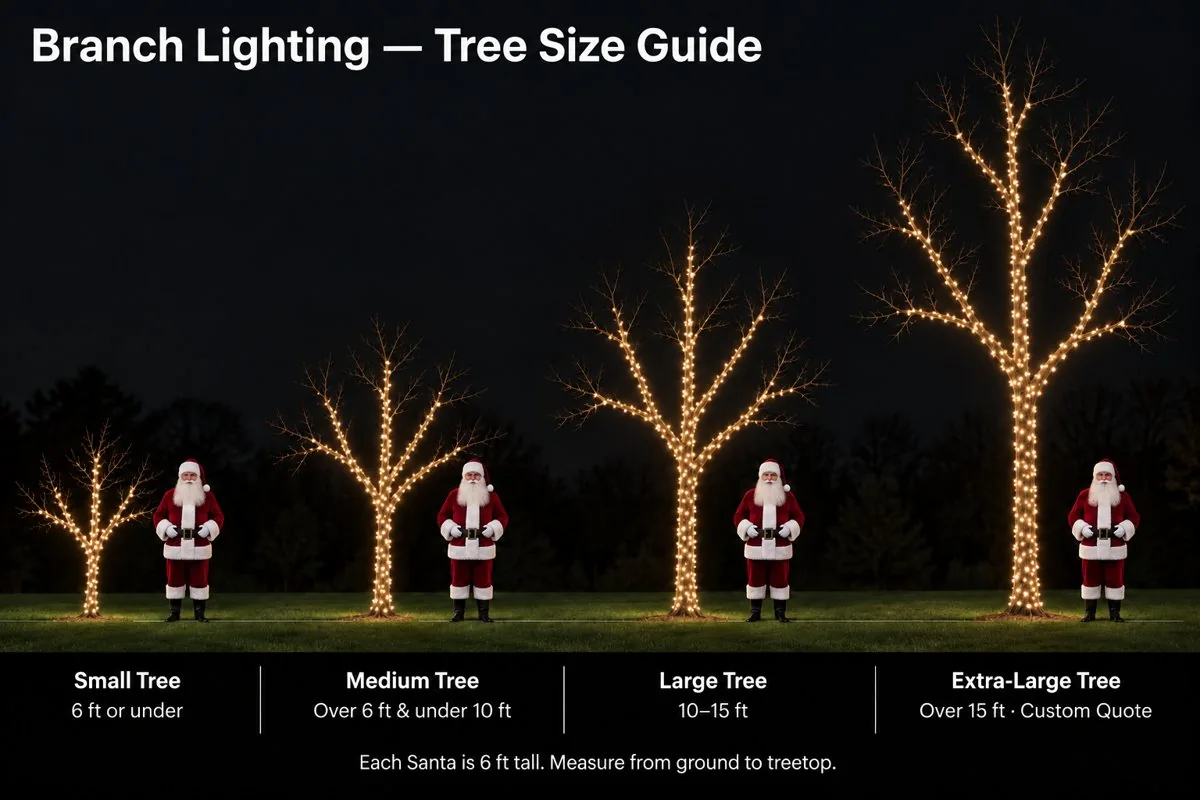
Roofline bulbs create a recognizable outline from the street. Smaller points of light can create a different effect around branches, shrubs, or garland. Bulb size is a design choice; it should not be treated as a quality score by itself.
Ask to see examples of the proposed treatment in the location you are considering. A product photo on its own tells you less than seeing the overall effect on a roofline or tree.
Ask about the exact product documentation
Outdoor suitability, electrical limits, and permitted connections belong in the product instructions. Ask the installer how the selected components meet the requirements of the intended installation, including any applicable safety markings. “Commercial grade” is not a substitute for that information.
Do not assume a light string can be cut, extended, or joined to a different system. Those capabilities depend on the product. A professional should plan the layout within the system’s specifications.
Fit and Finish Make the Quality Visible
Lengths planned for the architecture
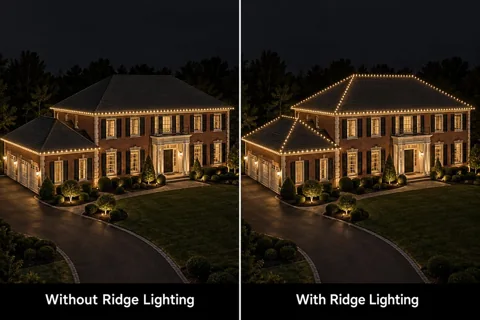
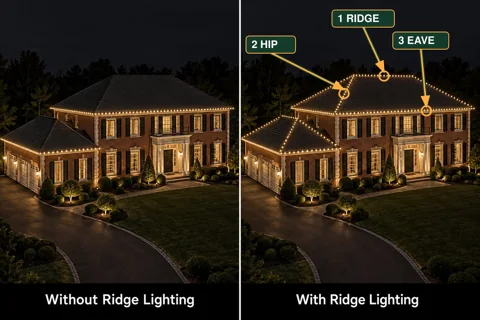
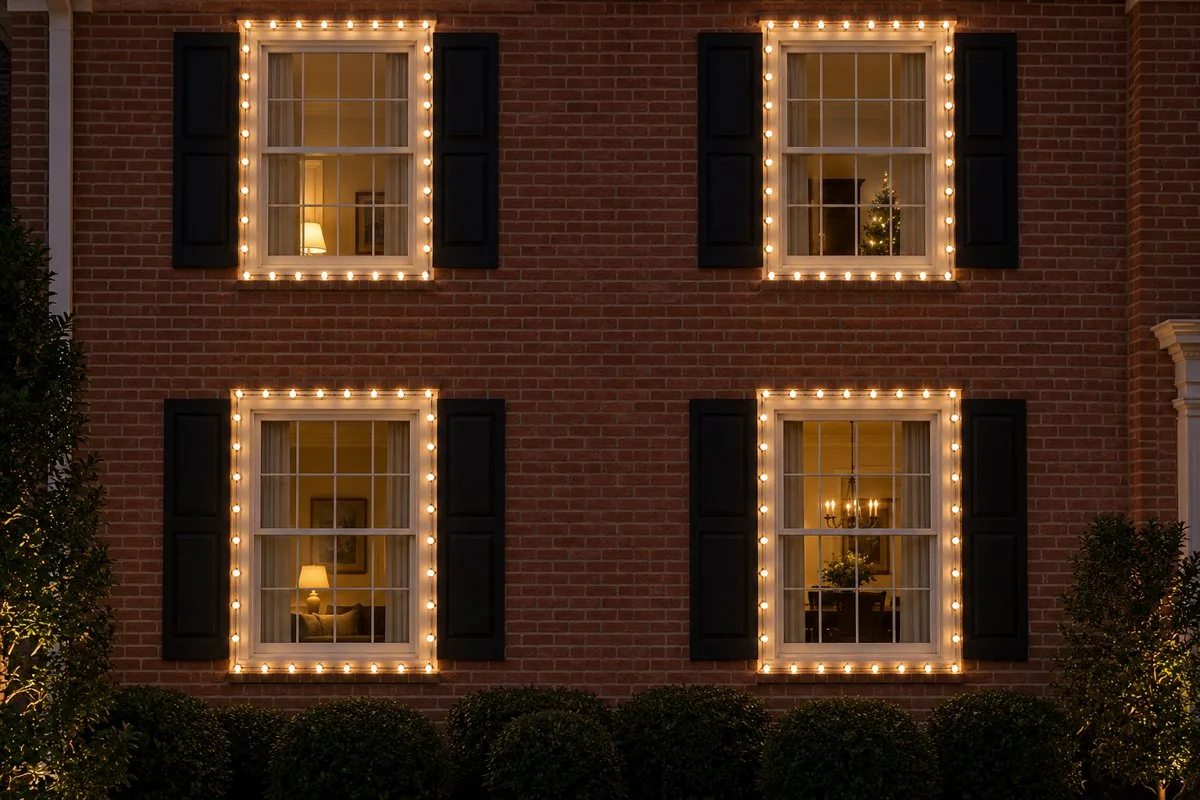
A roofline contains corners, peaks, gaps, and transitions between levels. The plan should account for where the illuminated sections start and stop and how the remaining connections are handled. That is a major part of achieving a clean finished look.
Consistent color and spacing
Two lights both described as “warm white” can look different beside each other. A coordinated system helps the roofline and selected accents feel connected. Even spacing also creates a deliberate rhythm around the house.
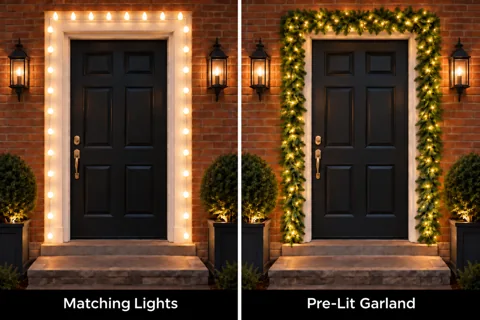
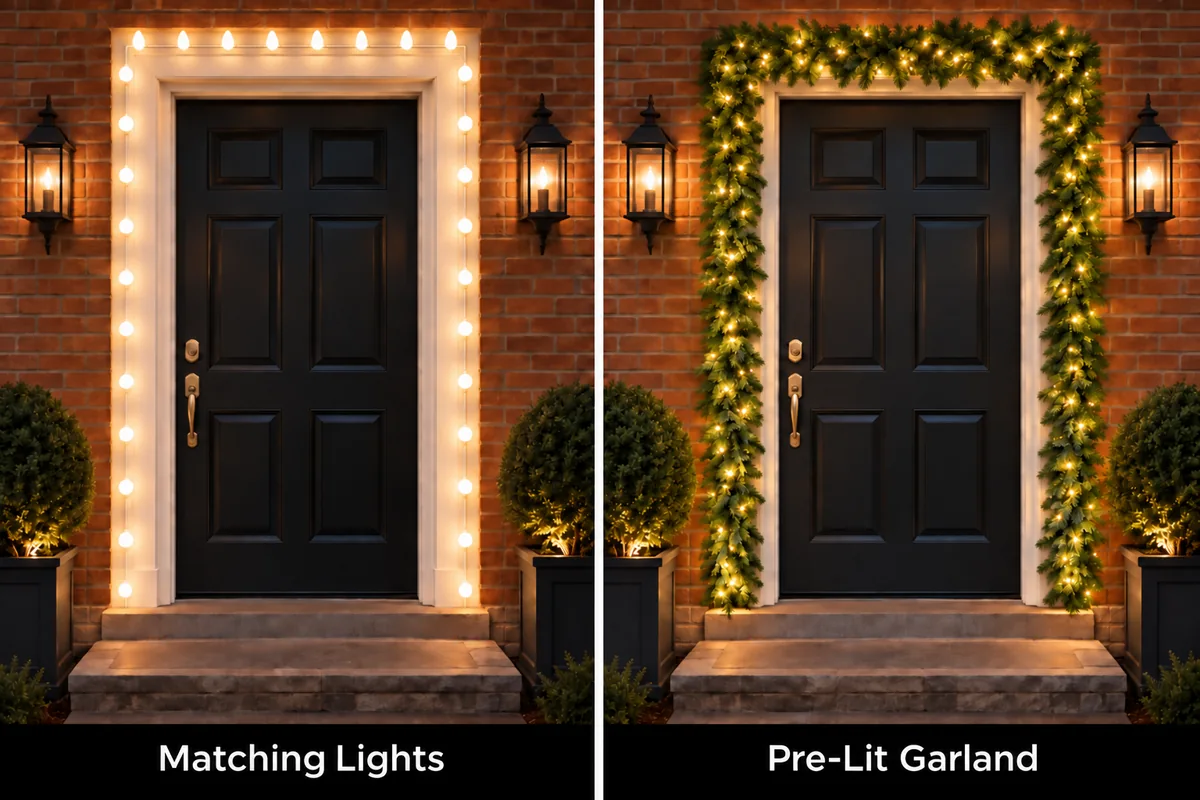
Color consistency does not mean every feature must be identical. You can intentionally combine festive colors with warm-white greenery. The key is making the combination a design decision.
Mounting suited to the home
Ask how lights will attach to the relevant surfaces and how the installer approaches unusual conditions. The right plan considers the house and the lighting system together. A tidy installation should also have a clear removal process.
See the possibilities for your home.
See These Lighting Options on My HomeRepairability and Seasonal Support Belong in the Comparison
Find out whether a failed component can be replaced individually or whether a larger section needs attention. The answer depends on the system. Also ask whether the company has the appropriate replacement components and how to request service.
At The Real Houselights of NJ, we supply the lighting used in our standard holiday installations so the design, selected components, and seasonal service can be planned together. Our customer-owned lights policy explains why we generally do not offer labor-only installation of existing strings.
A proposal should make clear what maintenance, removal, and storage are included. Comparing the complete seasonal service is more useful than comparing bulb prices alone.
Questions to Ask Before You Book
- What lighting components are you supplying for each part of the design?
- Why are those products suitable for this location and installation?
- How will the roofline fit, spacing, and color be coordinated?
- What attachment methods are planned for my home?
- What happens if a bulb, string, connector, or other component needs attention?
- Which maintenance, removal, and storage services are included?
- Can I see examples of comparable completed work?
For questions about the company itself, including insurance and experience, use our Christmas light installer checklist.
Choose the Finished Display, Not Just a Product Label
The best material choice supports the look you want and the service you expect. Start with your roof coverage, entrance, and landscape priorities, then ask how the proposed system brings them together.
Our package and add-on guide shows the visual differences. When you are ready, upload a photo in the instant quote tool to begin planning your home’s display.